

Here is a list of my favourite books (in roughly descending order) that I will keep updating over time.
Gödel, Escher, Bach by Douglas Hofstadter. My favourite book. Beyond brilliant. An extraordinarily profound, interdisciplinary book on consciousness/intelligence and how it arises from inanimate matter. Explores an enormous breadth and depth of ideas along the way: formal mathematical systems, music theory, self-referential paradoxes, DNA structures, chess engines, and recursion are just a few examples. I wish there were more books like this. 11/10.

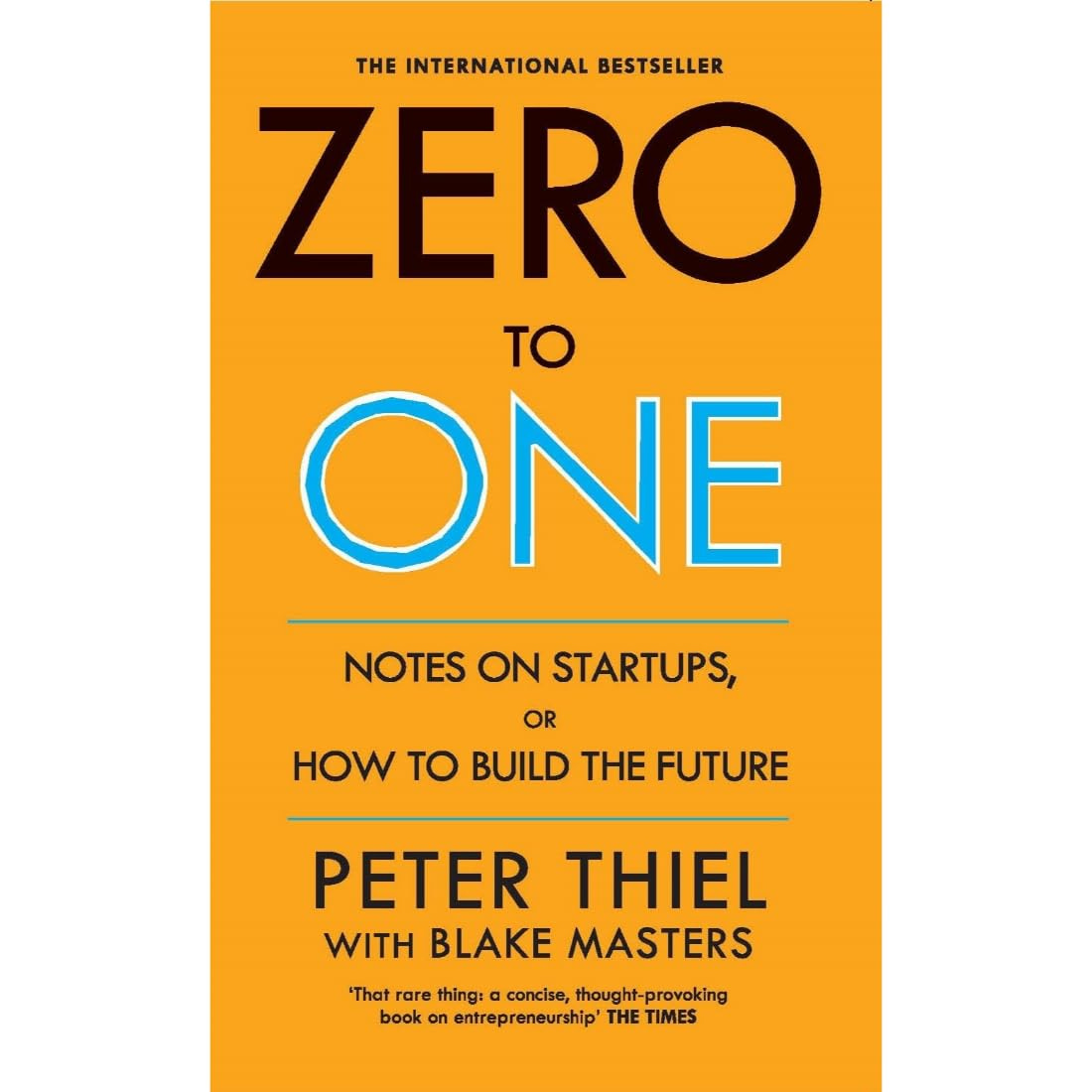
Zero To One by Peter Thiel. Most people think of this as a business book, but I think it is a deeply profound guide on building the future. I have written this essay about Peter Thiel and this essay about Zero To One and its connections to ideas from The Black Swan. 11/10.
Totto-chan by Tetsuko Kuroyanagi. A childhood memoir of someone who attended a very unconventional school in Japan during WW II. The teaching philosophy of the school is truly profound and beautiful. Many thanks to Ashwin Kandoi for gifting me this book. 11/10.


A Mind At Play by Jimmy Soni and Rob Goodman. A biography of my favourite thinker, Claude Shannon, who was the pioneer of information theory (among many other things). The book has remarkable insights into his breadth and depth of intellectual curiosity (he was a tremendously successful investor and even wrote an academic paper on the mathematics of juggling!) Reading this article by the authors convinced me to buy the book. Some of my notes from the book here. My interview with co-author Jimmy Soni here. 10/10.

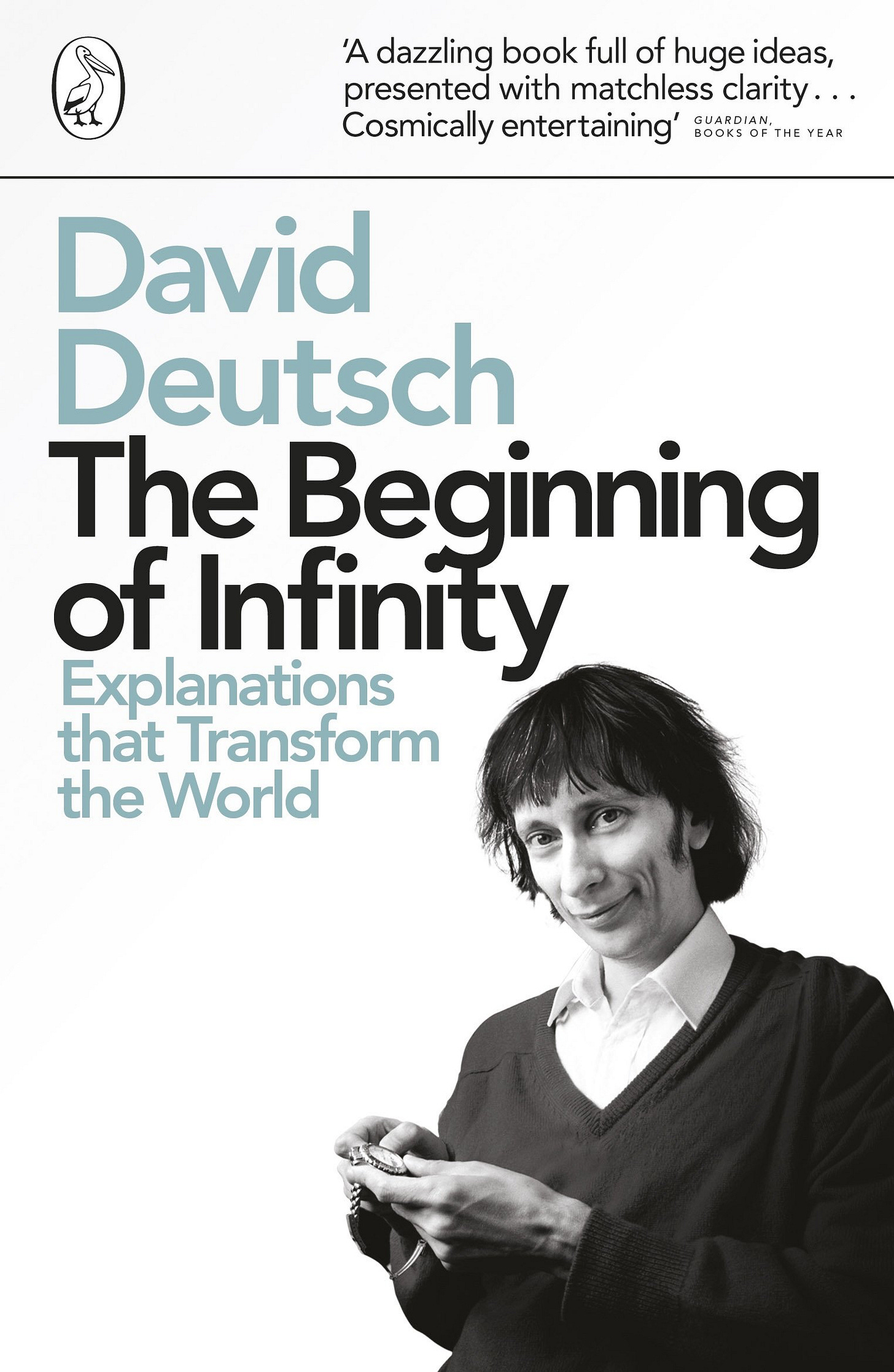
The Beginning of Infinity by David Deutsch. The author is one of the pioneers of quantum computing. The book is brilliant exposition on epistemology, physics, optimism and ‘good explanations’. Each page is filled with pure wisdom. For those in a hurry, my favourite chapter is #10, a profound dialogue on culture, mindsets and attitudes towards knowledge (easy to read too!) Also check out his work on Constructor Theory. 10/10.
The Fabric of Reality by David Deutsch. Same author as The Beginning of Infinity, above. In this book, he makes the argument that the ‘fabric of reality’ is made of 4 strands: quantum mechanics, computer science, biological evolution, and epistemology. If nothing else, read chapter 2, which explains quantum physics from scratch, assuming no prior knowledge, and expounds the multiverse interpretation of quantum physics that Deutsch so heavily advocates. 10/10.


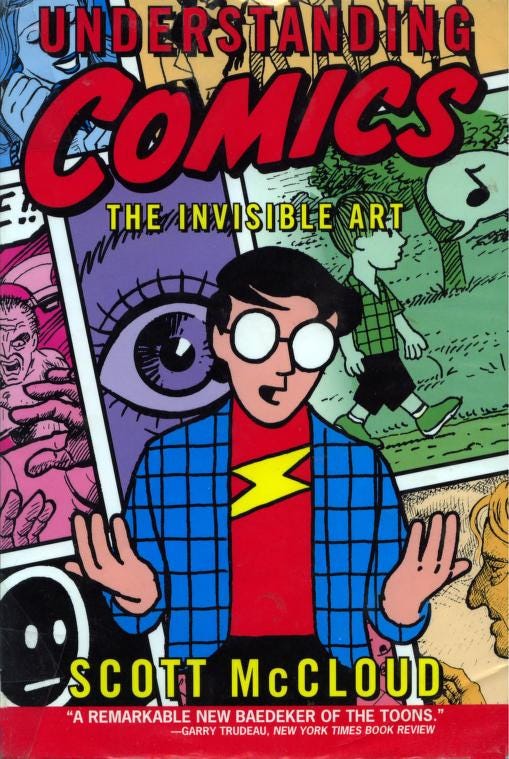
Understanding Comics by Scott McCloud. Applies a scientific prism to comics, to illuminate fascinating perspectives on their effectiveness: distributions of various types of transitions between panels, for example. Written as a comic about comics, it is reminiscent of strange loops and is the perfect book to read after Gödel, Escher, Bach. Check out this Ted Talk by the author. (Tip: read it in parallel with Scale by Geoffrey West). 10/10.
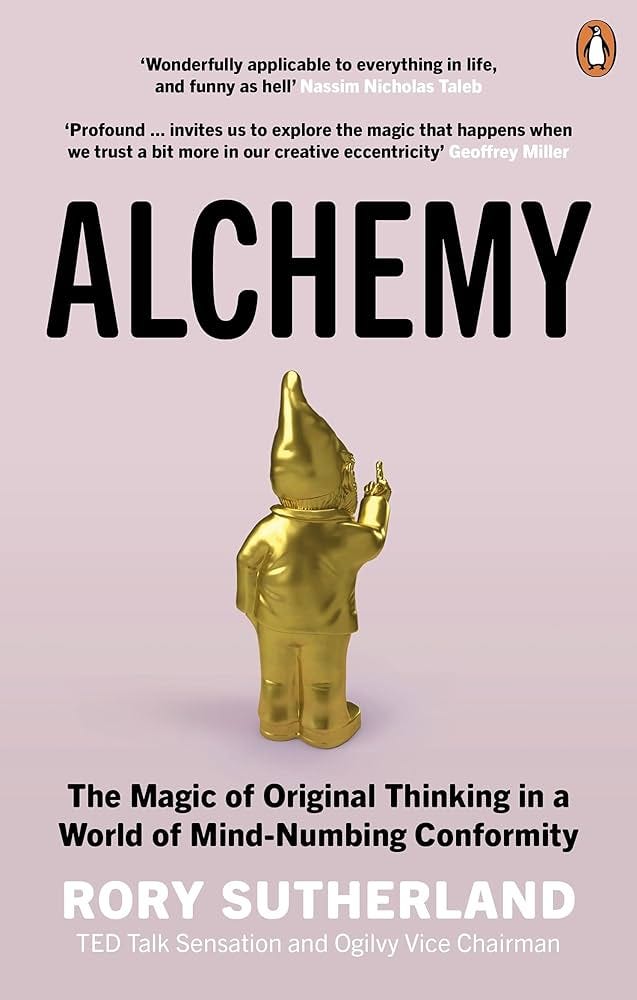
Alchemy by Rory Sutherland. The author is the vice-chairman of Ogilvy, one of the topmost advertising agencies in the world. A wonderful read on the underappreciated role of perception in creating value. Great ideas on creativity too. Watch some of the author’s talks to get a taste for his ideas (start here and here). My interview with the author here. 10/10.
Surely You’re Joking, Mr. Feynman by Richard Feynman. A compilation of colourful anecdotes from the life of the legendary physicist and teacher. Provides rich insight into the man behind the physics. Read this post by Caltech to understand his personality. 10/10.
The MANIAC by Benjamin Labatut. A fictionalised biography of John von Neumann. In each chapter, the author writes a fictional memoir of von Neumann from a different person’s perspective — so one chapter is ‘written by’ (fictional) Eugene Wigner, another by Richard Feynman, Oskar Morgenstern etc. Really beautiful prose, I finished reading it in 4 days. Hat tip to Jim O’Shaughnessy and
Gandhar Mahadeshwar for the recommendation. 10/10.


Feynman’s Rainbow by Leonard Mlodinow. The memoir of someone who was a PhD student at Caltech under Richard Feynman. It is really beautiful to see the mentor-mentee dynamics. 10/10.
The Black Swan by Nassim Nicholas Taleb. One of those ‘big ideas’ books that throws a ton of interesting concepts at you. I loved the ideas about asymmetry, probability and Kolmogorov complexity. 10/10.
A Man For All Markets by Edward Thorp. An autobiography of a brilliant mind, who did a PhD in mathematics, pioneered card counting in blackjack, was the first outside investor in Citadel, and predicted Warren Buffett’s success and Bernie Madoff’s fall decades before they happened — not to mention that he collaborated with Claude Shannon to build the world’s first ever wearable computer. 10/10.
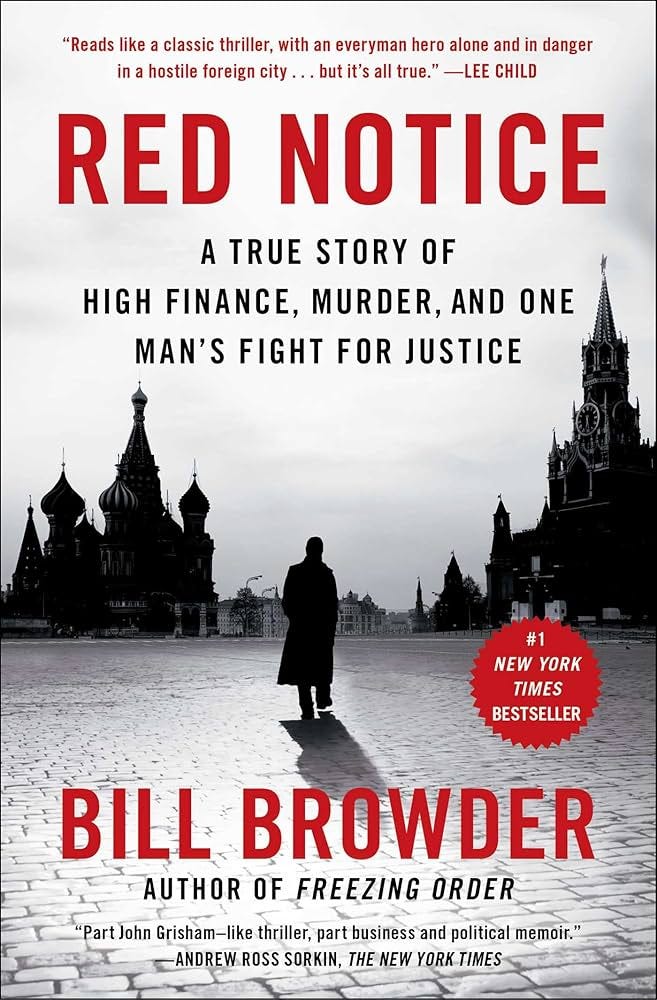
Red Notice by Bill Browder. A memoir that is best described as a non-fiction thriller. A mind-boggling yet true story that goes from investing in Russia to taking on the oligarchs and becoming Putin’s enemy, and implementing the Magnitsky act. The book is unputdownable. 10/10.
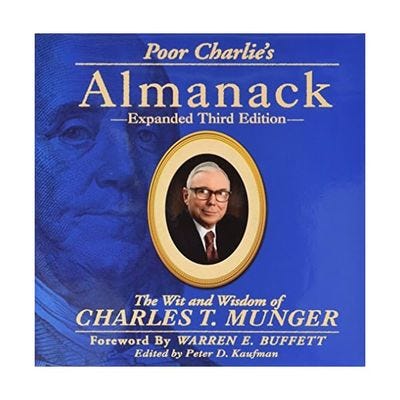
Poor Charlie’s Almanack, edited by Peter Kaufman. A compilation of talks and insights from one of my favourite thinkers, Charlie Munger, the business partner of Warren Buffett. Ideally, read the original edition (not the Stripe Press one), since it has lots of fun and aesthetic illustrations. 10/10.
Algorithms To Live By by Brian Christian and Tom Griffiths. A whirlwind tour of theoretical computer science: algorithms (least recently used, merge sort etc.), optimisation (e.g., 37% rule for secretary problem), game theory and much more. Full of very interesting ideas and highly readable too. 10/10.


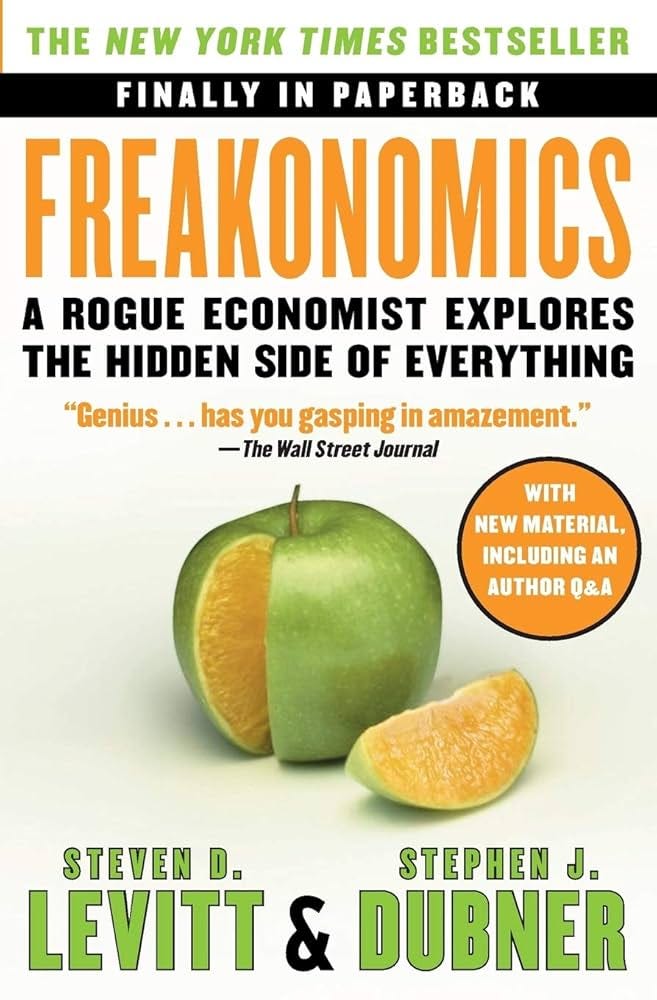
Freakonomics by Steven Levitt and Stephen Dubner. An extremely curious mind goes down multiple rabbit holes on interesting economic situations — the organisational structure of criminal gangs, the incentives of real estate agents, why schoolteachers cheat etc. Read this article to get a taste for the ideas. 10/10.
More Money Than God by Sebastian Mallaby. An excellent book on hedge funds. Extremely thoroughly-researched (as is the author’s other book, The Power Law, which I highly recommend too). An absolute page-turner, unputdownable. My interview with the author here. 10/10.


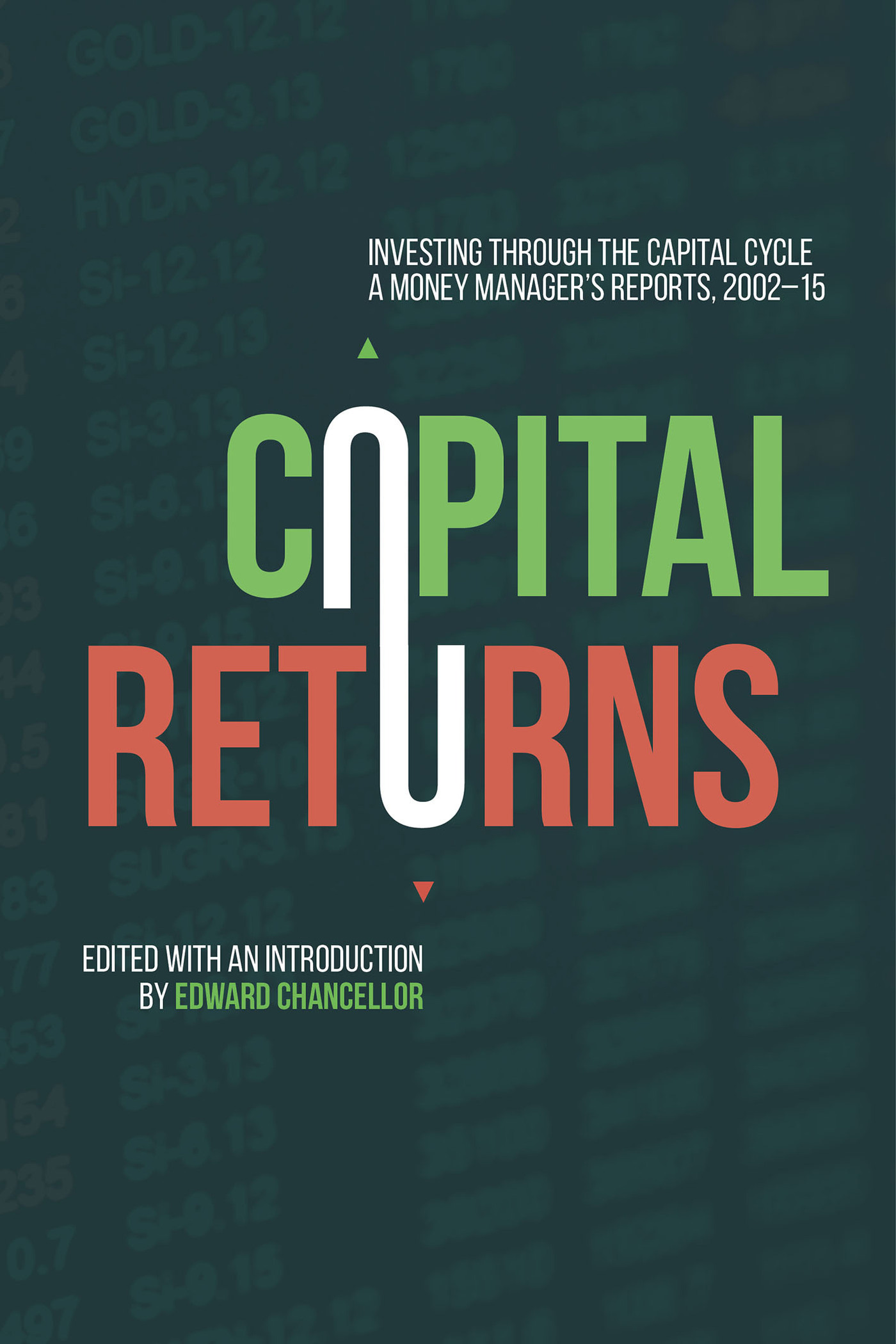
Capital Returns edited by Edward Chancellor. A collection of investment letters by Marathon Asset Management, expounding their ‘capital cycles’ approach to investing. It has some brilliant insights on the supply side, business quality, capex-to-depreciation ratio etc. 10/10.
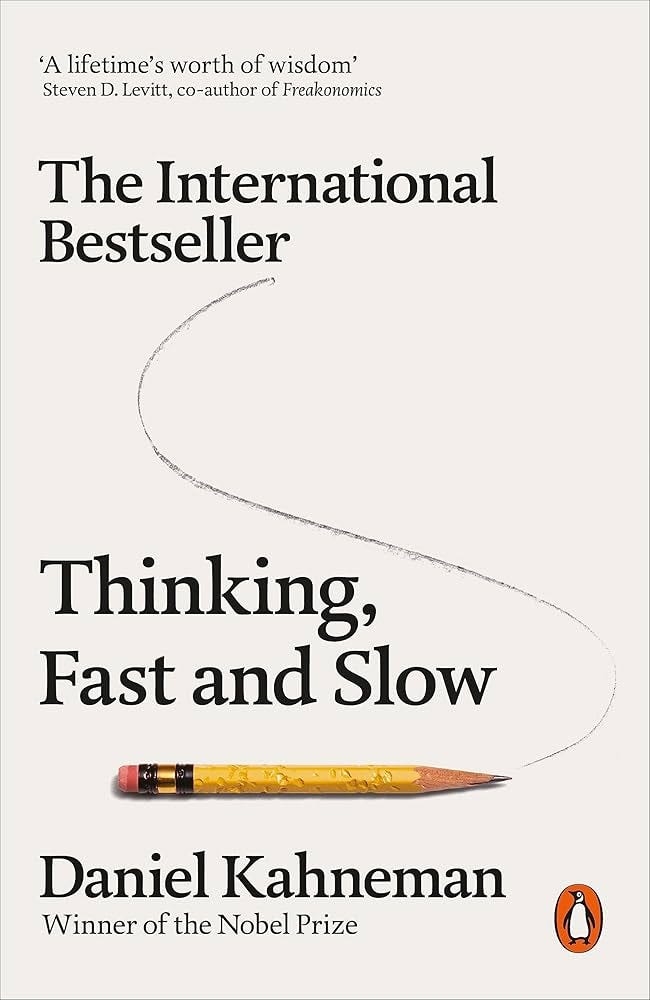
Thinking, Fast and Slow by Daniel Kahneman. Full of insights from priming to prospect theory and a whole host of cognitive biases. 10/10.


And here are some more books that I enjoyed reading and would recommend:
Totto-chan: The Sequel by Tetsuko Kuroyanagi. The sequel was published 42 years after the original memoir! The sequel is full of stories of the author’s life during WW II, as well as her career as an actress.
Richer, Wiser, Happier by William Green. Each chapter profiles a different investor — from John Templeton to Howard Marks to Charlie Munger — and makes for a very interesting read. My favourite chapter is the one about Nick and Zak’s Excellent Adventure; that chapter is a must-read.
The Joys of Compounding by Gautam Baid. A beautifully written treatise on the wonderful craft of value investing.
Meditations by Marcus Aurelius. I really appreciate his philosophy of stoicism.
The Da Vinci Code by Dan Brown. I usually don’t read much fiction, but this book is an unputdownable thriller.
Investment Biker by Jim Rogers. The author was the hedge fund partner of George Soros at Quantum Fund, and retired at age 37 to travel the world on a motorcycle. The book is a memoir of his travels, filled with insights on each country’s economy and markets — for example, he would observe whether a country has a currency black market (if so, what is the % difference between the black market and the official rate?), New Zealand’s livestock industry, Bolivia’s tin industry, Botswana’s prospects as an emerging economy etc. Many thanks to Ramesh Damani for gifting me this book on 24 December 2020 — best Christmas gift I’ve ever got!
How To Create A Mind by Ray Kurzweil. Wonderful insights on biological and artificial neural networks — great intro for someone who has never seen these concepts before — e.g., Minsky-Papert theorem which says that XOR (exclusive or) is unsolvable using a single-layer perceptron.
The Art of Learning by Josh Waitzkin. Superb insights on peak performance, explored through the lenses of chess and martial arts but with ideas that transfer to almost any creative discipline. (Tip: read it in parallel with Rahul Dravid: Timeless Steel, edited by ESPN Cricinfo).
Finite and Infinite Games by James Carse. A beautiful philosophy of infinite play, built up through logical reasoning from simple axioms.
Cryptonomicon by Neal Stephenson. A mix of cryptography, information theory, currencies, and WW II military strategy, written as fiction. Are human brains universal Turing machines?!
The Overcoat by Nikolai Gogol. Really beautiful prose, wonderful short story.
Prisoners of Geography by Tim Marshall. Very interesting insights on the actual role of geography in geopolitics. For example, Russia’s weak point geographically is its western border.
Moneyball by Michael Lewis. The story of how a struggling baseball team turned around their fortunes by using statistics. The book goes into much more detail than the movie (which is itself superb).
A Beautiful Mind by Sylvia Nasar. A biography of legendary mathematician John Nash, famous for the Nash equilibrium in game theory. The book goes into much more detail than the movie (which is itself superb).
The Biography of a Failed Venture by Prashant Desai. A wonderfully-written memoir about the author’s failed startup.
Superforecasting by Philip Tetlock and Dan Gardner. How anyone can consistently make accurate predictions. Makes for an even more interesting read in today’s times of buoyant prediction markets.
Invent & Wander by Walter Isaacson. A compilation of Amazon’s shareholder letters. Great insights on the company’s culture, from customer focus to ‘always day one’.
The Outsiders by William Thorndike. An account of eight unconventional CEOs who were exceptional capital allocators, from Henry Singleton to Warren Buffett.
The Price of Time by Edward Chancellor. A well-written history of interest rates and their significance.
The Spy Who Came In From The Cold by John le Carré. A fascinating novel about the workings of intelligence agencies.
The Celestine Prophecy by James Redfield. Not the best prose, but has some wonderful insights on energy fields.
The Joy of X by Steven Strogatz. Brings out the fun and beauty of mathematics.
Infinite Powers by Steven Strogatz. I fell in love with calculus after reading this book.
Elon Musk by Walter Isaacson and Elon Musk by Ashlee Vance. Both biographies are well-written.
The Power Law by Sebastian Mallaby. Wonderful history of venture capital.
Roller Coaster by Tamal Bandyopadhyay. Insider stories of Indian bankers and RBI governors from Uday Kotak to Raghuram Rajan and beyond, makes for a fun read. The author is a leading journalist covering the Indian banking sector.
The Ambuja Story by Narotam Sekhsaria. A memoir about the founding story and journey of Ambuja Cements.
Leonardo da Vinci by Walter Isaacson. A wonderful biography of a brilliant polymath.
R. N. Kao: Gentleman Spymaster by Nitin Gokhale. A biography of Rameshwar Nath Kao, the founding chief of the Research and Analysis Wing (R&AW), India’s intelligence agency.
Megatrends: Ten New Directions Transforming Our Lives by John Naisbitt (the original 1982 book). It predicts so many big-picture trends, like the shift from top-down to bottom-up, and the shift from either-or to multiple-choice.
Logicomix by Apostolos Doxiadis and Christos Papadimitriou. A really fun comic book about mathematician and philosopher Bertrand Russell’s life.
Deep Work by Cal Newport. A book that has greatly influenced my workflows.
Scale by Geoffrey West. ‘Big ideas book’ with superb insights from invariance of terminal units to scaling laws.
The World For Sale by Javier Blas and Jack Farchy. Superb book about commodity traders.
The Founders by Jimmy Soni. The founding story of PayPal, really well-written.
The Almanack of Naval Ravikant by Eric Jorgenson. Classic, full of insights. I especially appreciated the point about permissionless leverage.
The Anthology of Balaji by Eric Jorgenson. Full of fascinating ideas; I especially enjoyed his ideas on the importance of good writing about technology.
How To Lie With Statistics by Darrell Huff. Very short and fun read on how statistics can be massaged to appear better than they are.
Guns, Germs and Steel by Jared Diamond. Well-researched and well-written book, though I disagree with his conclusion that geography is destiny.
The Math Book by Clifford Pickover. A whirlwind tour of various concepts in math — one page and one picture for each concept, from Pythagoras’ theorem to Euler’s identity. Fun read.
How Asia Works by Joe Studwell. Interesting insights on industrial policy and how it created economic prosperity in China, Japan, Taiwan and South Korea.
The Everything Store by Brad Stone. Interesting book about the founding story of Amazon — it was originally going to be called Cadabra or MakeItSo; the domain name relentless.com redirects to Amazon; Jeff Bezos never takes the elevator, always stairs.
The Lords of Easy Money by Christopher Leonard. Well-written book about money supply and the problems created by excessive money printing (quantitative easing).
Gautam Adani by R. N. Bhaskar. The story of the Adani group, very insightful read.
Buffett by Roger Lowenstein. Good biography of Warren Buffett.
What You Are Looking for Is in the Library by Michiko Aoyama. Wonderful novel about a librarian who has a knack for recommending the perfect book to her patrons.
Here is my Goodreads account.
I always enjoy discussing ideas, so feel free to reach out!
Feedback and reading recommendations are invited at malhar.manek@gmail.com